Esports World Cup 2025 Kicks Off in Riyadh with $60M Prize Pool Across 20 Titles
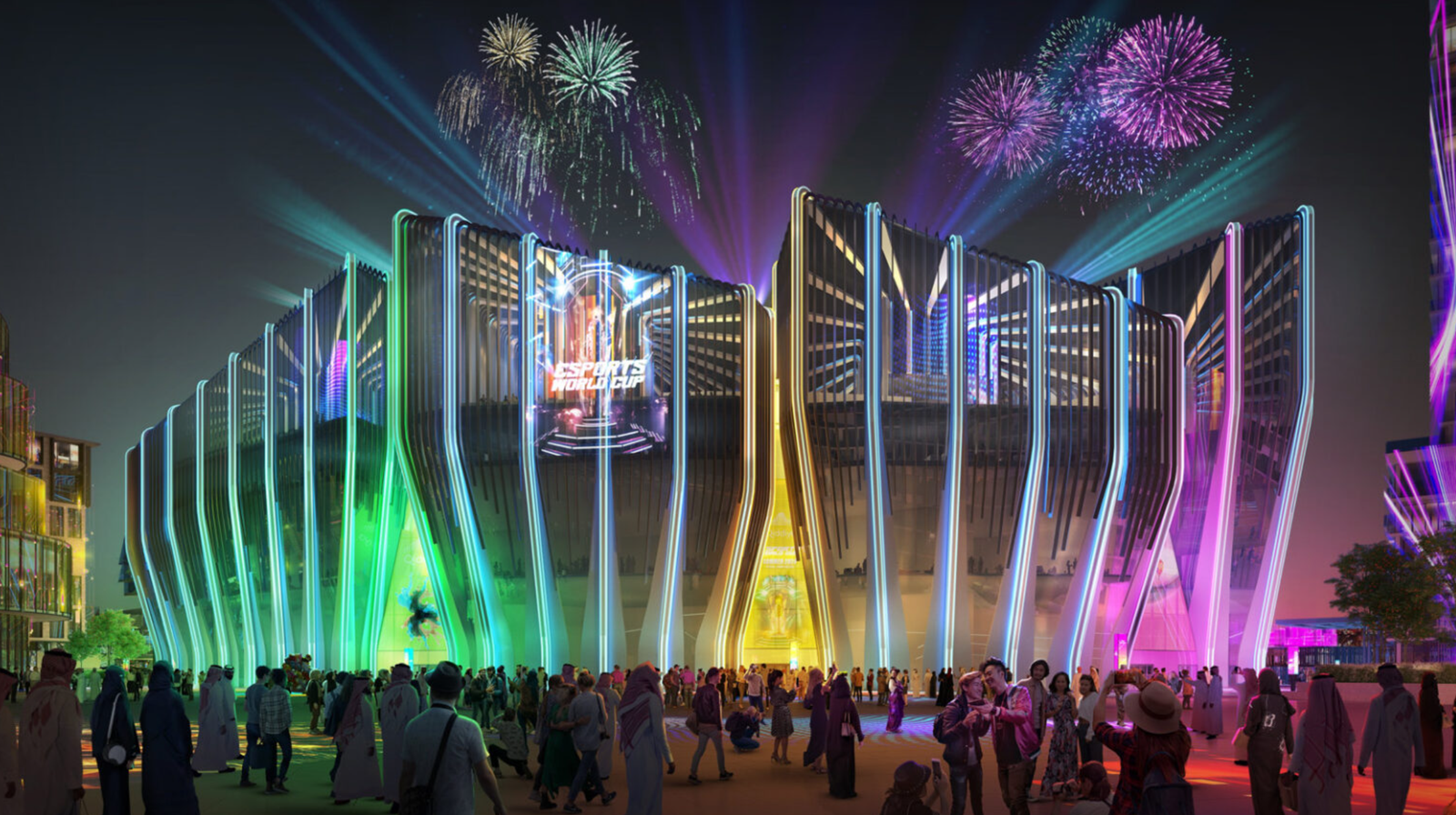
The Esports World Cup 2025 officially opened today in Riyadh, Saudi Arabia, launching what is now the largest multi-title esports tournament in history. With a staggering $60 million prize pool distributed across 20 different game titles, the event has drawn over 1,500 players, 400 teams, and millions of viewers from around the globe. This year’s lineup includes top-tier competitions in Counter-Strike 2, Dota 2, League of Legends, Fortnite, PUBG, Rainbow Six, Valorant, Mobile Legends, and more.
The tournament will run through late July, with each game hosting its own bracket, group stages, and playoff finals. Some games, like Dota 2 and CS2, will feature prize pools of $3 million or more, while mobile titles such as Mobile Legends and Free Fire will command their own massive followings and regional hype.
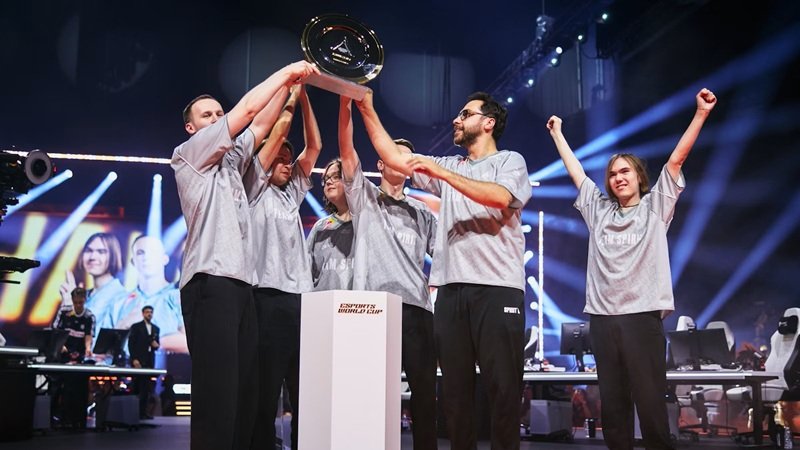
The entire production is spread across several custom venues in Riyadh, supported by a full broadcast infrastructure, multilingual streams, and influencer-driven content campaigns. Participating organizations like Team Spirit, Vitality, FaZe Clan, T1, and LOUD are fielding rosters in multiple games, competing not only for individual trophies but also for the Club Championship, which rewards the best all-around org across titles.
A Brief History of the Esports World Cup
The Esports World Cup was launched in 2024 as a successor to the Saudi-backed Gamers8 initiative. Initially criticized for its format and short planning cycle, the event returned in 2025 with expanded global qualifiers, tighter competitive structures, and significantly more publisher cooperation. What began as a regional showcase has now evolved into a cross-platform mega-event backed by government funding and long-term infrastructure investments.
This year’s edition reflects that scale - featuring top-tier teams, professional broadcasting, and a festival-like atmosphere intended to position Riyadh as a central hub for esports going forward.
Esports on a Global Stage
The Esports World Cup 2025 sets a new benchmark for prize support, game diversity, and international representation. With matches already underway across titles and time zones, the next few weeks will define not just champions, but the global future of competitive gaming.