Why BLAST Open Rotterdam 2026 tournament is so significant in CS esport industry?
It marks a structural turning point for BLAST’s Counter-Strike business
BLAST Open Rotterdam 2026 is not just another stop on the calendar; it sits inside the first year of BLAST’s redesigned 2026 Counter-Strike circuit. In its own 2026 handbook, BLAST defines the Open as a category of “big arena events” built to provide “a truly global route” for teams from all Counter-Strike regions. That matters because it signals a shift away from a closed, partner-led feel and toward a model that is more aligned with the modern Valve ecosystem. In industry terms, Rotterdam is important because it is one of the clearest examples of how a major tournament operator is repositioning its flagship product around broader access, global reach, and arena-scale spectacle.
The qualification model reflects the new reality of elite CS2
One of the strongest reasons this event matters is how teams get there. BLAST stated that twelve teams would receive direct invites via the global leaderboard / Valve Regional Standings system, with four more qualifying through regional paths. HLTV’s event coverage likewise notes that the 16-team field was built from the top 12 Global VRS teams plus four regional qualifiers from Europe, North America, South America, and Asia. That qualification design is highly significant for the industry because it balances elite stability with opportunity: top teams are rewarded for consistent results, but the circuit still leaves room for outsiders to break in through competition rather than commercial status alone.
Rotterdam gives BLAST a new national market and a major live stage
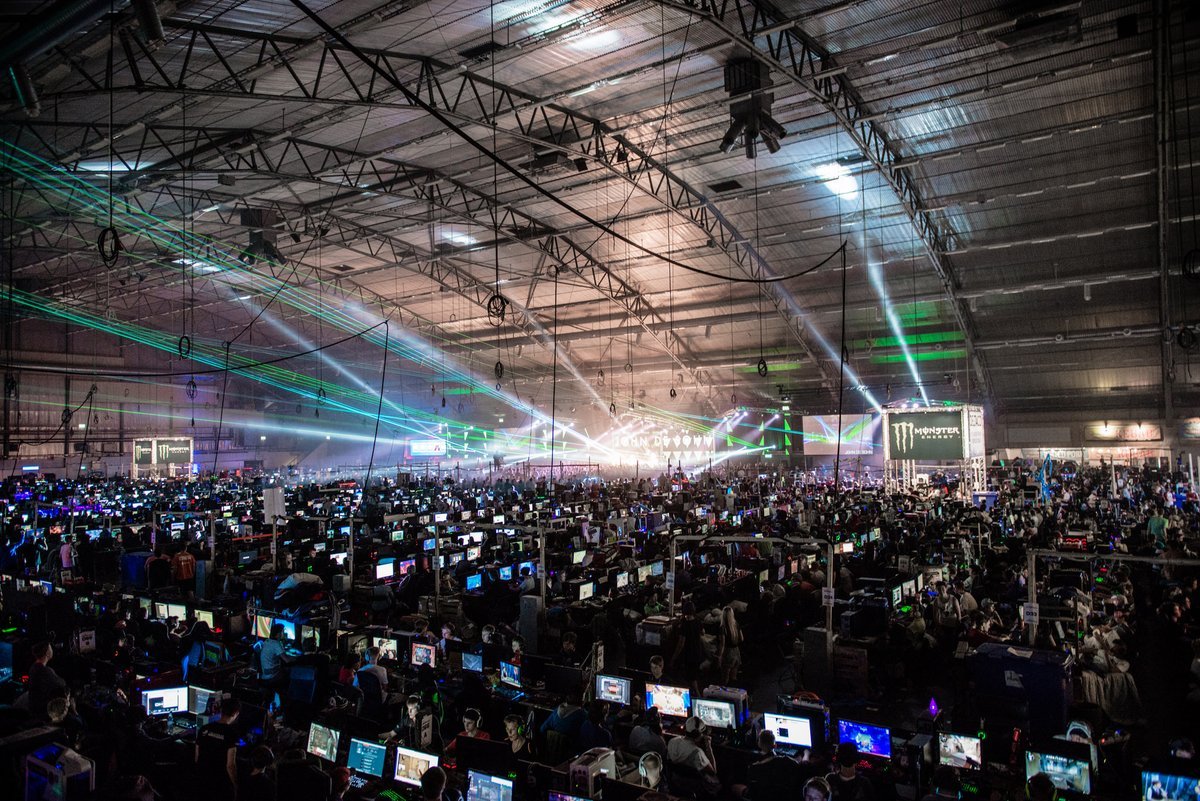
The event is also significant because it expands BLAST into a new live market. BLAST announced Rotterdam Ahoy as the playoff host from March 27 to 29, 2026, and HLTV described the tournament as BLAST’s first-ever event in the Netherlands. That is a meaningful commercial move. New host territories matter in esports because they widen ticketing markets, sponsorship opportunities, local partnerships, and fan acquisition beyond the same recurring destinations. Rotterdam is not a minor venue choice either: the playoffs are set for Ahoy Arena, which HLTV described as a 15,000-seat venue, giving the event the scale expected of a top-tier international championship environment.
The format is built to reward depth, not just star power
BLAST Open Rotterdam 2026 has competitive weight because its format is demanding. The group stage begins in BLAST’s Copenhagen studio, where 16 teams are split into two groups of eight and play a double-elimination best-of-three format. From there, only six teams advance to the Rotterdam playoffs; group winners go directly to the semifinals, while second- and third-place teams move into the quarterfinals. The playoff bracket then switches to single elimination, ending in a best-of-five grand final. For the esports industry, that matters because it produces a stronger sporting narrative: teams must survive depth-heavy group play before earning the visibility and prestige of the arena stage.
The financial model shows how premier CS events are evolving
The event’s $1.1 million total payout is another reason it stands out, but the structure of that money is just as important as the headline number. BLAST states that the event’s compensation is split into $400,000 in prize money and $700,000 in team payments, while the tournament page also notes that first place earns $150,000. That split reflects a broader industry trend: elite Counter-Strike events increasingly support both competitive incentives for players and financial stability for organizations. In practical terms, Rotterdam is significant because it shows how top tournament organizers are trying to create events that are attractive not only to fans, but also to teams managing budgets, travel, staff, and year-round roster investment.
The event combines studio efficiency with arena spectacle
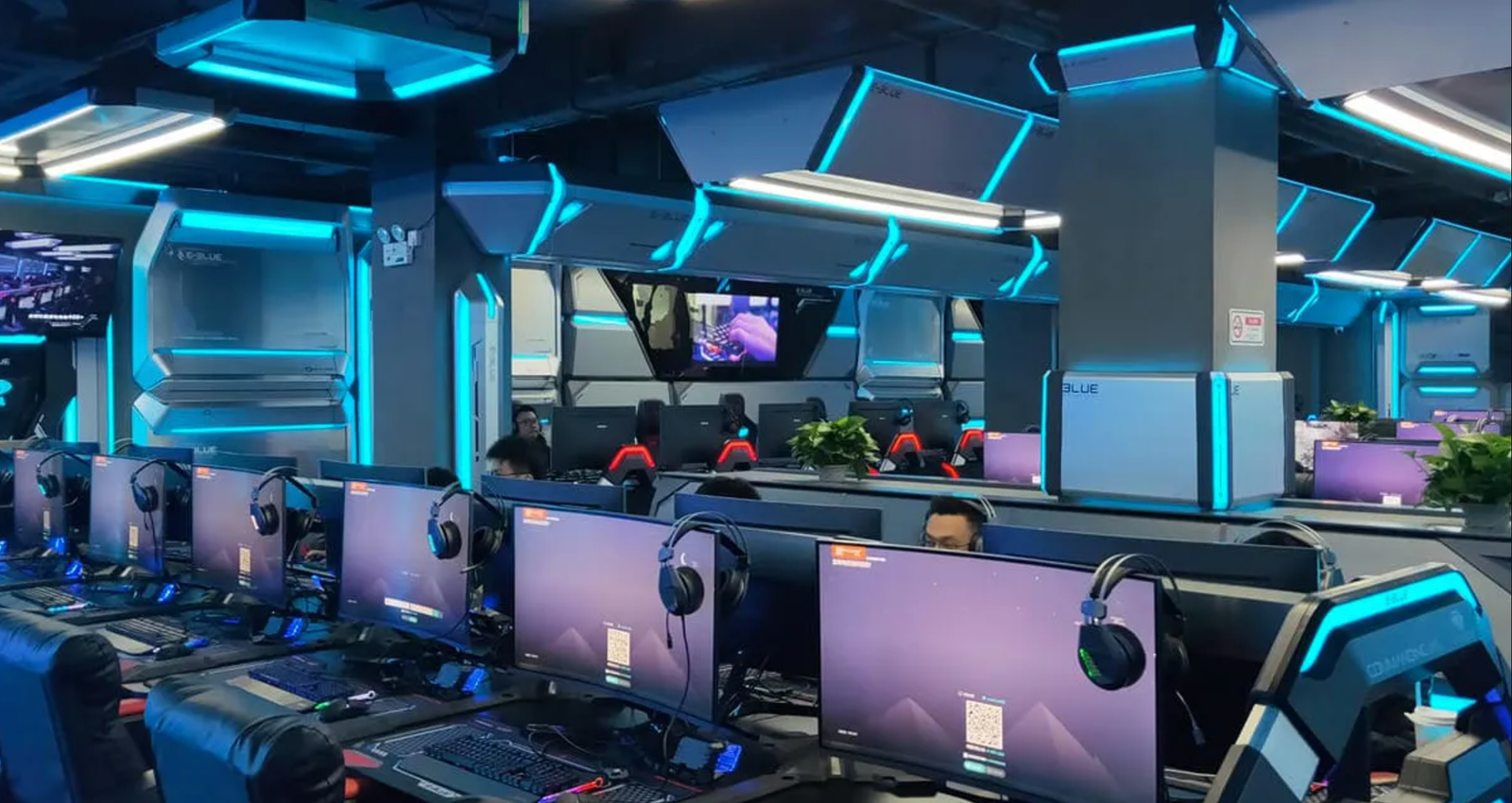
From an operations perspective, BLAST Open Rotterdam 2026 represents a hybrid production model that is becoming more relevant across esports. The first phase is played in BLAST’s Copenhagen studio from March 18 to 23, while the final three days move to Rotterdam for the arena playoffs. This is significant because it allows the organizer to stage more matches in a controlled production environment before concentrating live-event costs and fan attention on the highest-value weekend. For the industry, it is a practical case study in how to balance broadcast efficiency, competitive legitimacy, and live entertainment value in one event architecture.
The audience reach makes it commercially valuable far beyond the arena
BLAST’s own announcement said the tournament would be broadcast in more than 100 territories and in over 30 official languages, reaching a global audience of millions. The company also pointed to a major historical benchmark: the 2025 Open reportedly generated more than 89 million views worldwide. Even allowing for the fact that this is BLAST’s own audience framing, the commercial implication is clear. Rotterdam is significant because it is not only a local live event; it is a globally distributed media product with the scale to matter to sponsors, media partners, hardware brands, betting partners, and cities evaluating esports tourism. In the business of Counter-Strike, distribution size often determines how much value a tournament can create beyond the server.
The competitive field reinforces its status as a true tier-one event
The quality and spread of the field underline why the tournament carries industry importance. BLAST’s official team list and event page show a 16-team lineup featuring names such as FURIA, Falcons, Vitality, Aurora, MOUZ, NAVI, Spirit, FaZe, Liquid, The MongolZ, TYLOO and others. That mix matters because it represents multiple competitive centers of gravity across Europe, the Americas, and Asia rather than a narrowly regional event. For fans, that raises prestige. For teams, it raises the sporting value of every win. And for the wider industry, it reinforces Counter-Strike’s position as one of esports’ most truly international disciplines.
Why Rotterdam matters beyond one tournament weekend
Taken together, the verified facts explain why BLAST Open Rotterdam 2026 matters so much. It is a flagship event in BLAST’s new circuit, a major example of VRS-era access, BLAST’s first event in the Netherlands, a six-team arena playoff at a major venue, a $1.1 million competition with team-payment economics, and a globally distributed broadcast product. In other words, Rotterdam is significant not because of one storyline, but because it sits at the intersection of competitive reform, commercial scale, and live-event ambition. For the CS esports industry, that combination makes it one of the clearest reference points for what top-tier tournament design now looks like.